
Pet insurance • Practical decisions

Choose insurance for an older pet

Age acceptance is the first gate. The useful winner is the policy that still protects meaningful new risks and remains practical to keep.

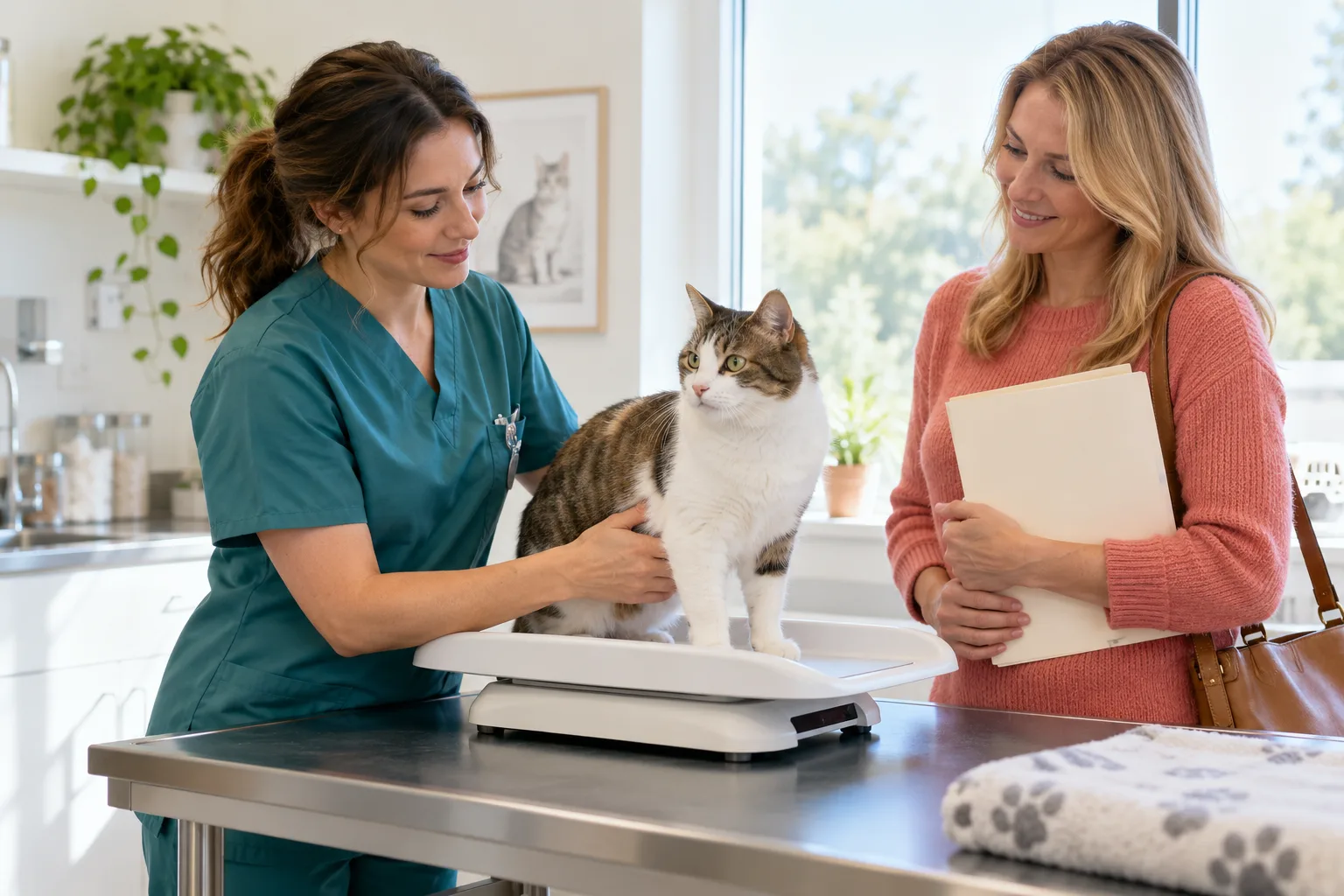
Cat and owner in a calm veterinary consultation with a folder
✓ Policy-first ✓ Independent ✓ Useful checks
Direct answer
The best policy for an older pet is one that still covers useful new risks and includes the recurring expenses you want help with. Compare a year of eligible follow-up visits, prescriptions and tests under the exact offered configuration, then check entry-age rules and affordability. A large benefit limit or an age-friendly label cannot compensate for expense categories the policy leaves out.
Cost & value

Price the continuing-care basket first

Ask your veterinarian which categories of follow-up may be relevant for your older dog or cat, without asking for a prediction of every future illness. Separate known excluded treatment and routine screening from care for a new eligible condition. Then locate the contract clause for each expense rather than marking the whole treatment pathway “covered.”

Expense in the basket What to verify What to keep outside the claim estimate
Recheck or specialist consultation Whether diagnostic examination fees are selected and eligible. A routine wellness examination unless its own benefit applies.
Recurring prescription Whether the selected product includes the medication category and dispensing conditions. Drugs for an excluded earlier condition.
Repeat tests or imaging Whether ordered for a covered medical problem and within any relevant limit. Healthy-pet screening merely because the pet is older.
Rehabilitation or other follow-up Required authorization, prescriber and benefit options. An assumed entitlement based only on the main annual maximum.

This basket is an insurance reading aid, not a treatment recommendation. The veterinarian determines appropriate care; the policy determines which eligible expenses can be reimbursed.

Cost & value

Two equal limits can leave very different recurring costs

Owner seated with a gray-muzzled dog at home
The illustration does not establish the dog’s exact age or medical history.

Consider two invented policies for a newly arising eligible condition in an older pet. Both have an unused benefit limit large enough for the example and the same deductible already satisfied. Plan A costs $75 monthly; Plan B costs $87. Suppose A excludes the particular follow-up consultation and prescription expenses, while B includes them at 80% reimbursement.

For the fictional year, four qualifying consultations cost $90 each and qualifying prescriptions cost $40 a month. That basket totals $840: $360 in visits plus $480 in medication. Under the stated assumptions, B reimburses $672 more than A. B costs $144 more in annual premium, leaving a $528 advantage for this particular basket.

If only one $90 visit qualified and no prescription was needed, the additional $72 reimbursement would be less than the $144 extra premium. If the whole condition were excluded by history, neither policy would pay the basket. These are scenarios, not forecasts or actual insurer offers.

The calculation is useful because it identifies the benefit producing the difference. Do not use it when the compared policies also change deductibles, limits or unrelated terms without accounting for those changes. Include the money needed at the clinic before any claim is paid.

What to know

Check which current candidates can offer that basket

Pets Best says it has no upper age limit for new dog or cat enrollment. Its current materials describe expense selections that can affect consultation, prescription and therapy coverage. Price the configuration containing the categories you want rather than comparing the smallest base quote.

Embrace’s current overview also presents prescription-drug and diagnostic examination-fee benefits as options. Its dog and cat enrollment pages distinguish new accident-and-illness entry below age 15 from accident-only entry at 15 or older. A current illness policy’s renewal is a separate question; a birthday alone is not evidence it converts to accident-only.

Those verified facts identify candidates and limits, not a complete ranking. An accident-only offer cannot satisfy an illness-care basket. Another provider may fit your pet better, but you need its actual state terms and offered options to make that comparison.

Coverage

Resolve the history before counting a benefit

Embrace’s medical-history review can be requested after buying a policy and is not automatic. Detailed records through the illness waiting period are required; invoices or a brief summary are not enough. The review finishes only after the required records arrive.

Use the response to distinguish known exclusions from genuinely unresolved questions. Check how the timing relates to the policy’s review-and-return terms; a pending review does not promise an extension or timely refund decision. Do not postpone clinical investigation while waiting.

For a pet already insured, build the same basket under the current renewal offer. If an ongoing condition is covered there but excluded by the proposed replacement, the new plan’s lower price is not a saving on the same care. Keep the old contract active while resolving that difference.

Decision guide

Keep the decision about expenses, not labels

Choose the lowest sustainable offer that supplies the protection and expense categories you value, while retaining money for excluded care. There is no requirement to buy every option; the point is to know which expenses you are deliberately keeping.

Keep a second-period calculation if the annual deductible or limit restarts during ongoing treatment. Do not project today’s premium indefinitely or assume an annual maximum is money already available to pay the clinic.

Save the basket, selected benefits, age-eligibility response and history explanation with the policy. That gives you a specific reason for choosing it and a way to reassess a renewal. No personalized price survey or universal older-pet winner is claimed.

Evidence

Sources and policy context

These public references support the consumer or veterinary context. Named insurer details were checked in official product materials; the policy offered for your pet and state determines the actual terms.

Next step

Compare Current Pet Insurance Rates

Check current options for your pet and location, then compare the policy details, exclusions, costs, and eligibility before choosing.

Compare the policy before you choose Check the actual offer, exclusions and out-of-pocket terms.
See Rate Options